Product Knowledge & Education • March 18, 2026
What Is Cast Stone? A Complete Guide for Modern Construction
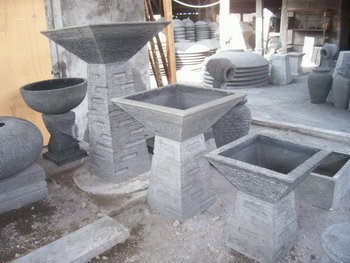
Cast stone is an architectural material designed to replicate the appearance and performance of natural stone while offering greater flexibility and efficiency in production. It is widely used in both building construction and landscape design, especially for products such as planters, fountains, and decorative elements.
Understanding Cast Stone
Cast stone is made by mixing cement, fine aggregates, water, and mineral pigments. The mixture is poured into molds and cured under controlled conditions to achieve a dense and durable structure.
Unlike natural stone, which is cut from quarries, cast stone is manufactured. This allows for:
-
Consistent quality and texture
-
Custom shapes and sizes
-
Controlled coloration
-
Reduced material waste
Key Advantages
1. Durability
Cast stone is designed to withstand outdoor conditions, including rain, heat, and humidity—making it ideal for tropical climates like Indonesia.
2. Design Flexibility
Because it is mold-based, cast stone can be produced in modern, classic, or custom forms depending on project needs.
3. Cost Efficiency
It provides the appearance of natural stone at a more accessible price point, especially for large-scale projects.
4. Low Maintenance
With proper sealing and installation, cast stone products require minimal upkeep.
Common Applications
-
Garden and landscape planters
-
Decorative and functional fountains
-
Architectural cladding and ornaments
-
Public space installations
Conclusion
Cast stone offers a balance between aesthetics and performance. For architects, developers, and property owners, it is a practical solution that delivers long-term value without compromising design.