Product Knowledge & Education • February 24, 2026
The Timeless Appeal of Cast Stone in Modern Architecture and Landscape Design
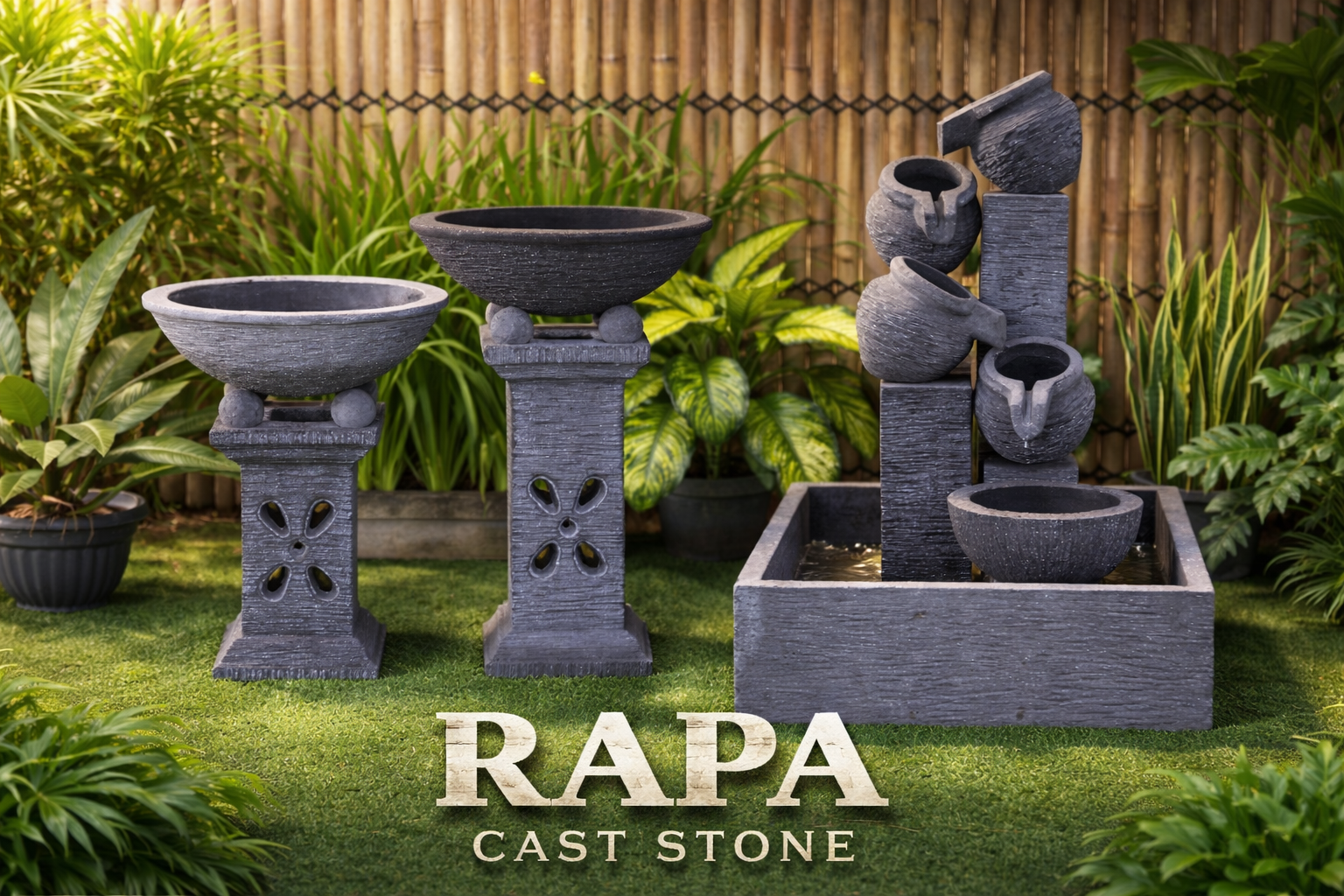
In architecture and landscape design, materials play a crucial role in shaping atmosphere, durability, and long-term value. Among the many materials available today, cast stone continues to stand out as a refined, durable, and versatile solution for both interior and exterior applications.
From decorative fountains to architectural planters, cast stone combines structural strength with aesthetic flexibility — making it an ideal choice for modern residential, commercial, and public projects.
What Is Cast Stone?
Cast stone is a high-quality architectural concrete product designed to replicate the appearance of natural stone. It is manufactured using carefully selected aggregates, cement, pigments, and additives, molded into precise forms, and cured under controlled conditions.
Unlike natural stone, cast stone offers:
- Consistent color and texture
- Customizable shapes and dimensions
- Greater cost efficiency
- Controlled production quality
This makes it a practical alternative for architects and designers who require both beauty and reliability.
Cast Stone Fountains: Where Function Meets Art


4
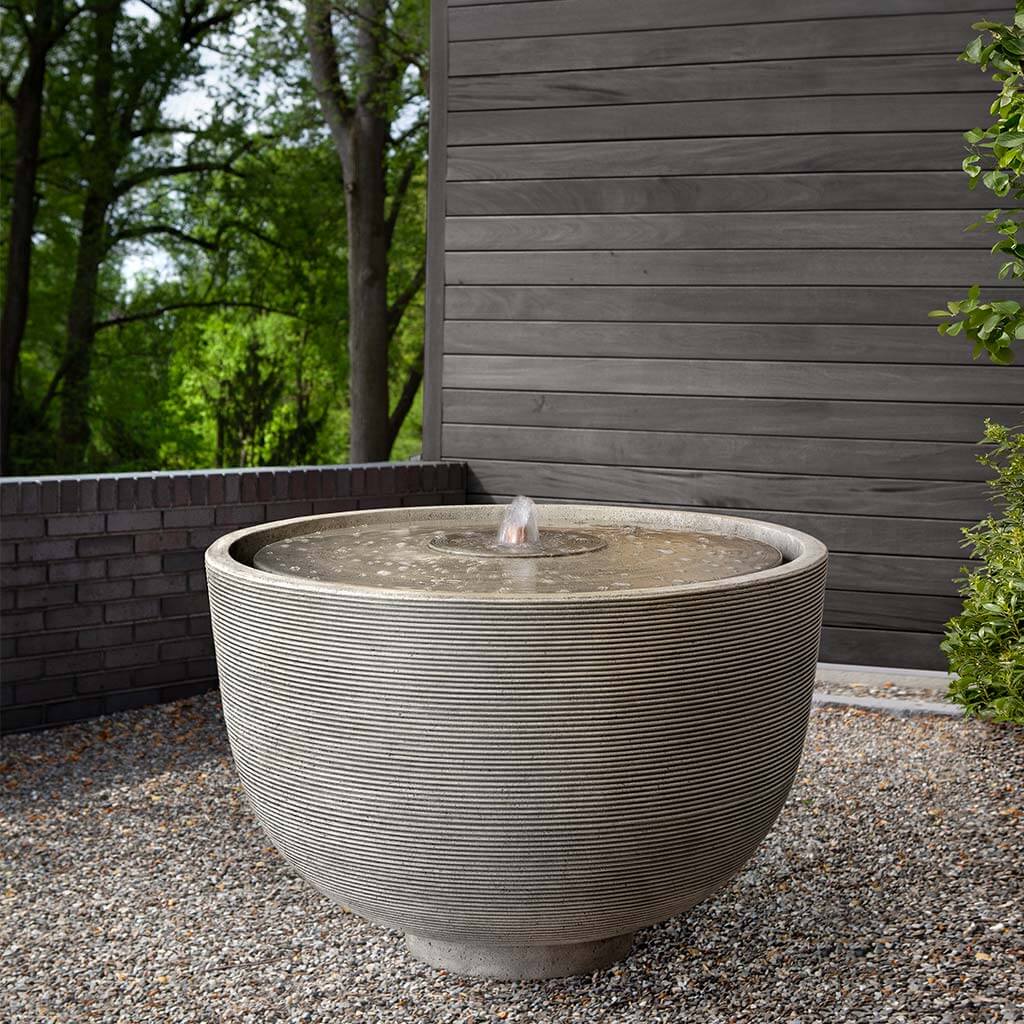
A fountain is more than a water feature — it is a focal point. The gentle sound of flowing water creates a calming environment while enhancing visual depth in gardens, courtyards, hotels, and public parks.
Cast stone fountains offer:
- Durability against weather exposure
- Elegant textures resembling natural stone
- Custom design possibilities (modern, classic, minimalist)
- Low maintenance with proper sealing
For commercial spaces, a fountain enhances prestige and creates a welcoming first impression. For residential properties, it elevates the landscape into a serene retreat.
Architectural Planters: Enhancing Green Spaces with Structure

4
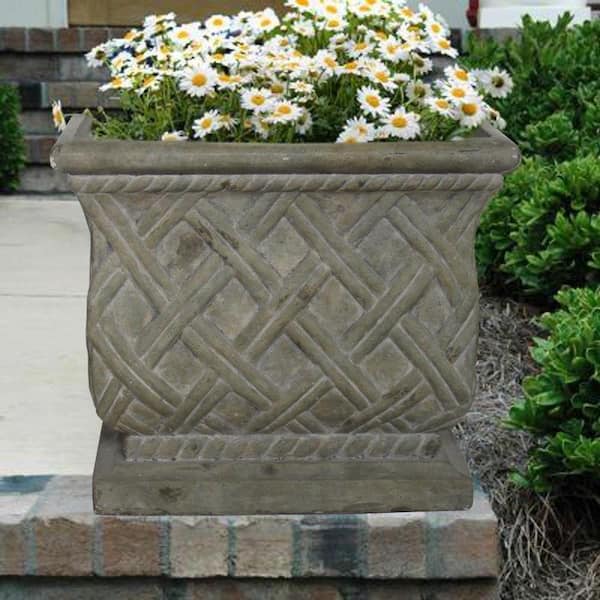
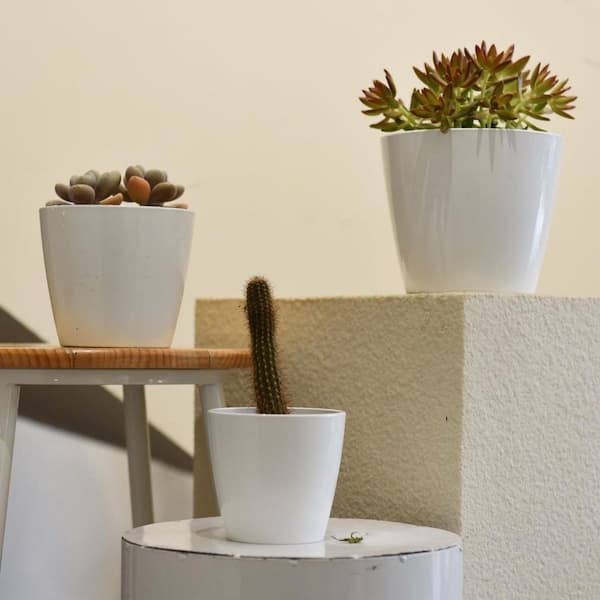
Planters are not just containers for plants — they define spatial boundaries and reinforce architectural identity.
Cast stone planters provide:
- Strong structural integrity
- Resistance to cracking and environmental stress
- Custom sizing for large-scale landscaping projects
- Clean, timeless aesthetics
In urban environments, large planters help soften rigid building lines. In residential settings, they create structured garden compositions that balance nature and design.
Why Architects and Developers Choose Cast Stone
- Longevity – Built to withstand heat, rain, and environmental changes.
- Design Flexibility – Custom molds allow for tailored dimensions and unique profiles.
- Sustainability – Long lifecycle reduces replacement frequency.
- Cost Efficiency – Achieves a natural stone appearance at a more manageable cost.
For developers and contractors, cast stone offers predictable results without sacrificing aesthetic value.
The Craft Behind Quality
High-quality cast stone products require precision in every stage:
- Proportion and structural planning
- Accurate mold fabrication
- Controlled casting process
- Proper curing for strength development
- Finishing and quality inspection
When produced with care and expertise, cast stone products become long-term architectural assets rather than temporary decorative elements.
Conclusion
Cast stone continues to bridge the gap between artistry and engineering. Whether used for fountains, planters, architectural accents, or landscape features, it delivers timeless elegance with structural reliability.
For projects that demand both durability and refined aesthetics, cast stone remains a trusted material for architects, designers, and property developers.